
Level Paths From the Curb to Your Front Door
Under federal accessibility standards, a sudden change in level higher than 1/4 inch on a walking surface needs a bevel or ramp, because taller edges catch shoes and canes. Imperial Paving Services builds and replaces concrete sidewalks and walkways with that standard in mind for homes and businesses in Sylmar, CA, Mission Hills, San Fernando, and Arleta. Our work covers entry walkways, side yard paths, public sidewalk panels, root-damaged sections, steps, landings, and accessible routes to entrances.
Paths need to feel effortless underfoot, so we set widths, slopes, and finishes for comfortable, confident walking. Forms are laid to follow your landscape, joints are spaced to control cracking, and edges are finished cleanly against lawns and planters. Having spent 10 years around paving and concrete, we anticipate drainage and root problems before they start. Public right-of-way work follows city permit rules. Request a walkway estimate on our quote form to plan your project.
Our Concrete Sidewalks & Walkways Services
Front Entry Walkways
The path from driveway or street to your front door shapes a visitor's first impression. Entry walks are sized for comfortable walking, finished to complement the home, and sloped gently so rainwater drains away from steps and thresholds.
Side Yard and Garden Paths
Narrow side yards, gates, and garden routes become easy to navigate with a firm concrete path. These walkways keep shoes out of mud, make moving trash bins simpler, and give landscaping a clean, defined edge to grow against.
Public Sidewalk Replacement
Damaged sidewalk panels along the street are removed and replaced to match surrounding sections in width, slope, and finish. Work in the public right of way follows city permit and inspection requirements, keeping the project compliant from start to finish.
Root-Damaged Section Repair
Tree roots can lift sidewalk panels into dangerous ledges. Raised sections are removed, roots are evaluated and pruned where appropriate, and new concrete is poured level, sometimes with root barriers that help keep the surface flat for many more years.
Concrete Steps and Landings
Slopes too steep for a simple walkway are handled with poured steps and level landings between them. Consistent riser heights and generous tread depths make each step predictable, reducing missteps for children, guests, and older family members alike, day or night.
Accessible Path Construction
Routes from parking areas to building entrances must stay firm, stable, and gently sloped for wheelchair users and anyone with limited mobility. These paths are built with controlled grades and smooth transitions that meet accessibility expectations for commercial properties.
Benefits of Concrete Sidewalks & Walkways
Fewer Trips and Falls
Level, continuous walking surfaces remove the cracks, ledges, and loose stones that cause stumbles. Safer paths protect family members, guests, customers, and delivery drivers, and they reduce the liability that comes with damaged walkways on any property you own or manage.
Easier Movement Around the Property
Firm paths make it simple to roll strollers, wheelbarrows, luggage, and trash bins wherever they need to go. Daily chores become less of a struggle when every route around the house or building is smooth and clearly defined.
Landscaping Gets a Clean Frame
Crisp concrete edges separate walking areas from lawns, planters, and decorative gravel beds. That definition makes gardens look intentional and tidy all year, while keeping foot traffic off plants and soil that would otherwise get trampled or compacted over time.
Durability With Little Upkeep
Concrete walkways handle years of foot traffic, sun, and rain with minimal care. An occasional sweep and rinse is usually all they need, which makes them a practical, long-lasting upgrade for busy households, rental homes, and commercial properties alike.
Welcoming Access for Everyone
Proper widths and gentle slopes let wheelchair users, older adults, and parents with strollers move comfortably. A path that works for everyone tells visitors they are welcome and makes daily life easier for anyone facing mobility challenges, temporary or permanent.
Better Drainage Around Buildings
Walkways sloped away from walls direct rain and irrigation runoff toward landscaping instead of foundations. That simple detail helps prevent water stains, soil erosion along the path edges, and moisture problems at doors and thresholds near the house.
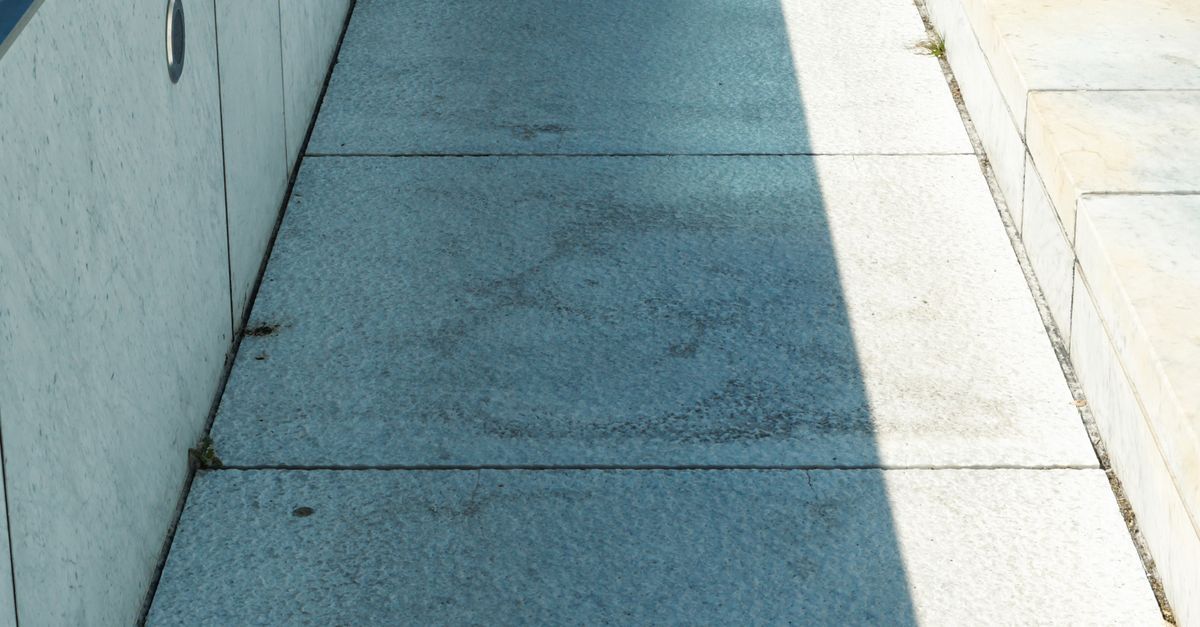
Paths That Make Every Step Feel Easy
Walkways are easy to overlook until a lifted panel catches someone's toe or a muddy side yard turns into a daily annoyance. Imperial Paving Services builds and repairs concrete paths throughout Sylmar, CA, with careful grades, sensible widths, and finishes that stay safe in every season. Whether you need a welcoming front entry or a quick fix for a single root-damaged panel, a well-built path makes the whole property easier to enjoy. Walk your routes with fresh eyes, note where people stumble or detour, and list what you find on our quote form, where a quick description is all we need to begin planning repairs.
How do tree roots damage sidewalks and walkways?
Roots growing near the surface expand as they thicken, pushing concrete panels upward and cracking them. Imperial Paving Services replaces root-lifted sections in Sylmar, CA, and can install root barriers that steer future growth deeper and away from the new concrete.
What slope is allowed on an accessible walkway?
Accessible routes generally keep running slopes at 5% or less and cross slopes no steeper than 2%, which is about 1/4 inch per foot. Steeper running slopes are treated as ramps, which bring added requirements such as handrails and landings.
How wide should a walkway be?
Accessible routes need at least 36 inches of clear width, while 48 inches lets two people walk side by side more comfortably. Our team at Imperial Paving Services often recommends wider front walks for homes in Sylmar, CA, for a more welcoming entry.
How are steps built into a sloped walkway?
Steps are formed with consistent riser heights and tread depths so each one feels the same underfoot. Landings break up longer runs, and a broom finish on treads improves grip. Handrails become important wherever several steps stack together.
Can a concrete walkway be curved?
Yes. Flexible forms bend to create gentle curves that follow garden beds, trees, or the natural path people already walk. Curved walkways soften a landscape's lines and often feel more inviting than straight paths running directly to the door.
Can one damaged sidewalk panel be replaced without redoing the whole path?
Usually it can. Panels are separated by joints, so a single cracked or lifted section can be cut out and repoured. The new concrete will look brighter at first, though color differences typically soften as the surface weathers.
What is the difference between a sidewalk and a walkway?
A sidewalk usually runs along the street in the public right of way, so work on it needs city approval. A walkway sits on private property, connecting driveways, doors, gates, and yards, and is managed entirely by the owner.
What finish keeps a concrete walkway from becoming slippery?
A broom finish creates fine ridges that give shoes better grip, even when the surface is wet from rain or sprinklers. Salt and exposed aggregate finishes also add texture, while smooth troweled finishes are best avoided on outdoor walking surfaces.
ASK US
FAQ's
How do tree roots damage sidewalks and walkways?
Roots growing near the surface expand as they thicken, pushing concrete panels upward and cracking them. Imperial Paving Services replaces root-lifted sections in Sylmar, CA, and can install root barriers that steer future growth deeper and away from the new concrete.
What slope is allowed on an accessible walkway?
Accessible routes generally keep running slopes at 5% or less and cross slopes no steeper than 2%, which is about 1/4 inch per foot. Steeper running slopes are treated as ramps, which bring added requirements such as handrails and landings.
How wide should a walkway be?
Accessible routes need at least 36 inches of clear width, while 48 inches lets two people walk side by side more comfortably. Our team at Imperial Paving Services often recommends wider front walks for homes in Sylmar, CA, for a more welcoming entry.
How are steps built into a sloped walkway?
Steps are formed with consistent riser heights and tread depths so each one feels the same underfoot. Landings break up longer runs, and a broom finish on treads improves grip. Handrails become important wherever several steps stack together.
Can a concrete walkway be curved?
Yes. Flexible forms bend to create gentle curves that follow garden beds, trees, or the natural path people already walk. Curved walkways soften a landscape's lines and often feel more inviting than straight paths running directly to the door.
Can one damaged sidewalk panel be replaced without redoing the whole path?
Usually it can. Panels are separated by joints, so a single cracked or lifted section can be cut out and repoured. The new concrete will look brighter at first, though color differences typically soften as the surface weathers.
What is the difference between a sidewalk and a walkway?
A sidewalk usually runs along the street in the public right of way, so work on it needs city approval. A walkway sits on private property, connecting driveways, doors, gates, and yards, and is managed entirely by the owner.
What finish keeps a concrete walkway from becoming slippery?
A broom finish creates fine ridges that give shoes better grip, even when the surface is wet from rain or sprinklers. Salt and exposed aggregate finishes also add texture, while smooth troweled finishes are best avoided on outdoor walking surfaces.