Turn Fresh Pavement Into an Organized, Efficient Lot
City of Los Angeles design standards set a standard stall at 18 feet deep and roughly 8 1/2 feet wide, while compact stalls shrink to 7 1/2 by 15 feet. Imperial Paving Services turns those numbers into layouts with parking lot striping for new and resurfaced lots in Sylmar, CA, Granada Hills, Porter Ranch, and Mission Hills. Our striping work covers layout planning, chalk-line marking, stall lines, drive aisle markings, and the first coats on fresh pavement.
A good layout balances stall count, turning room, and safe walking paths, so we review your site plan and measure first. Lines are laid out with strings and chalk, then painted with durable traffic paint that dries quickly for a prompt reopening. Our 10 years around paving projects help us spot layout problems early. The goal is a lot drivers understand at a glance. Send your site plan or rough measurements through our contact page to plan your layout.
Our Parking Lot Striping Services
Layout Planning and Measurement
Every project begins with a measured plan showing stalls, aisles, entrances, and walkways. Checking dimensions against city standards and the property's needs before painting prevents crooked rows, cramped turns, and expensive corrections after the lines are already down.
First-Coat Striping on New Asphalt
Freshly paved and resurfaced lots receive their initial layout once the surface has cooled and hardened. Clean, straight lines on new pavement set the tone for the whole property and give drivers clear guidance from the first day it opens.
Stall Count Optimization
Small changes in stall angle, width, and aisle placement can add parking without expanding pavement. Layouts are tested on paper first to find the arrangement that fits the most legal spaces while keeping traffic flowing smoothly through the lot.
Angled Parking Layouts
Diagonal stalls at 45 or 60 degrees make pulling in easier and work well with one-way aisles. They suit narrow lots and high-turnover retail sites, where quick, simple parking keeps customers moving in and out without frustration or congestion.
Drive Aisle and Traffic Lane Lines
Center lines, lane dividers, and edge lines organize how vehicles circulate between stalls and exits. Clearly marked aisles reduce wrong-way driving, prevent drivers from cutting across rows, and keep delivery trucks on the routes the pavement was built for.
Double-Line Stall Striping
Paired lines between stalls, sometimes called hairpin or double striping, give each vehicle a buffer zone. Drivers tend to center their cars between the pairs, which leaves more room for opening doors and reduces dings in busy lots.
Benefits of Parking Lot Striping
More Spaces From the Same Pavement
A carefully planned layout often fits more stalls than haphazard or outdated striping. Gaining even a few spaces can ease crowding during peak hours, support more tenants, and delay the expensive need to pave additional land just for parking.
Smoother Traffic Flow
Clear aisles and direction lines show drivers where to go without guesswork. Fewer drivers circling, reversing, or cutting across stalls means less congestion at entrances and a calmer experience for everyone arriving at or leaving the property each day.
Safer Paths for Pedestrians
Well-defined stalls and aisles separate cars from people walking to the door. Drivers stay in predictable lanes, and shoppers, employees, and residents can cross the lot with better awareness of where vehicles will be moving at any moment.
A Professional First Impression
Straight, bright lines on fresh pavement suggest a property that is managed with attention to detail. That polish supports leasing, sales, and customer confidence, all before a visitor steps out of the car and walks toward the entrance.
Fewer Parking Disputes
Clearly marked stalls cut down on vehicles taking two spaces, blocking aisles, or parking in fire lanes. Tenants and property managers spend less time fielding complaints, and enforcement becomes easier when every boundary is plain to see from the driver's seat.
Layouts Built Around Your Operation
Every property has its own rhythm, from morning delivery windows to evening dinner rushes. A custom layout places loading areas, short-term parking, and employee stalls where they serve that rhythm best rather than following a generic pattern copied from another site.
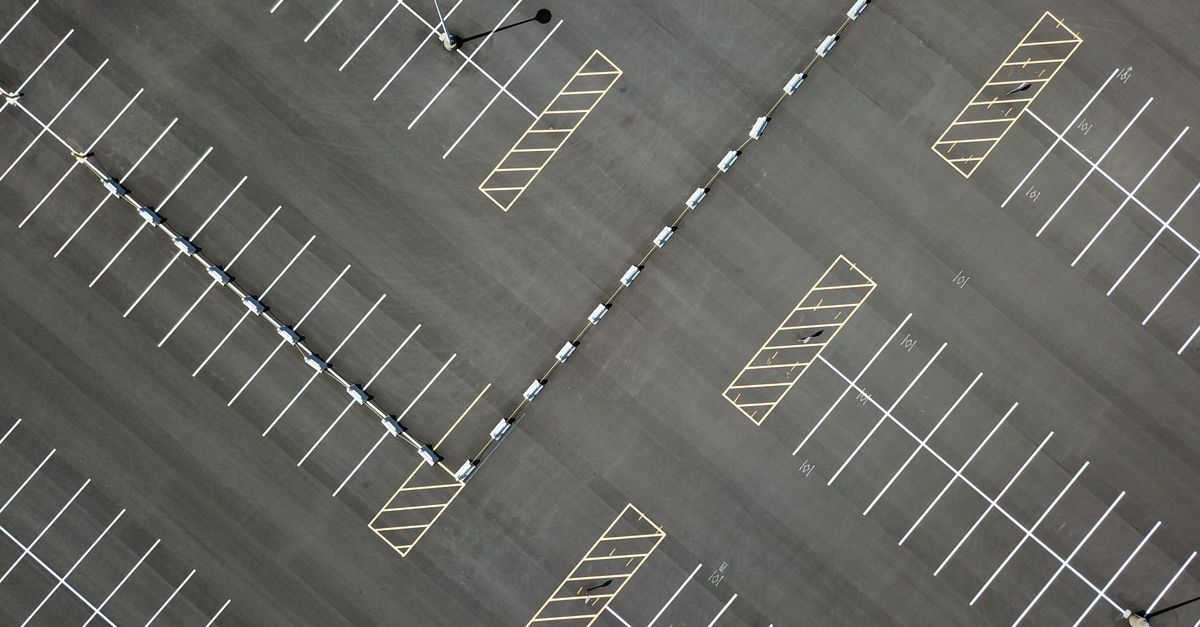
Lines That Make Every Space Count
Striping is the part of a parking lot that people actually read, and a thoughtful layout makes the pavement beneath it far more useful. Imperial Paving Services lays out and paints lots across Sylmar, CA, with careful measurements, practical traffic patterns, and lines that stay sharp under daily use. Whether your lot is brand new or freshly resurfaced, the layout decisions made now will shape how it works for years. Pull together your site plan, stall goals, and any delivery or loading needs, then share them on our contact page, and we will sketch a layout that fits your property.
How many compact stalls can a Los Angeles lot include?
For non-residential lots with 10 or more spaces, Los Angeles standards generally allow up to 40% of required stalls to be compact. Imperial Paving Services checks these limits when planning layouts in Sylmar, CA, so the stall mix stays within city rules.
How wide do drive aisles need to be?
Aisle width depends on parking angle and traffic direction. City of Los Angeles standards call for about 28 feet beside standard 90-degree stalls for most uses, while angled stalls with one-way traffic can work with noticeably narrower aisles.
Is 90-degree or angled parking better for my lot?
Ninety-degree stalls fit the most cars and allow two-way aisles, making them common for offices and apartments. Our team at Imperial Paving Services often recommends angled stalls for narrow retail lots in Sylmar, CA, where quick entry matters most.
Can restriping a new layout add parking spaces?
Often it can. Adjusting stall widths within allowed limits, changing parking angles, or reorganizing wasted corners frequently uncovers additional spaces. Required accessible stalls and fire lane widths must still be maintained, so every gain is checked against those rules first.
How soon can cars drive on fresh striping paint?
Waterborne traffic paint usually dries enough for vehicles within about 15 to 30 minutes in warm, dry weather. Cooler or humid conditions slow drying, so cones and barricades stay in place until the lines are firm to the touch.
How wide are standard parking stall lines?
Most parking stall lines are painted 4 inches wide, which stays clearly visible without wasting paint. Crosswalks, stop bars, and some fire lane markings use wider lines, while hatching inside access aisles follows its own spacing rules under California code.
Does new asphalt need a second coat of striping?
Fresh asphalt is porous and absorbs some of the first coat of paint. Many owners schedule a second application a few weeks later, once the surface firms up, which deepens color and adds thickness so the lines hold up longer under traffic.
Can motorcycle parking be striped into a lot?
Yes. Motorcycle stalls are much smaller than car spaces and fit well into corners, ends of rows, and other areas too tight for vehicles. Marking them clearly keeps bikes from occupying full stalls and makes better use of available pavement.
ASK US
FAQ's
How many compact stalls can a Los Angeles lot include?
For non-residential lots with 10 or more spaces, Los Angeles standards generally allow up to 40% of required stalls to be compact. Imperial Paving Services checks these limits when planning layouts in Sylmar, CA, so the stall mix stays within city rules.
How wide do drive aisles need to be?
Aisle width depends on parking angle and traffic direction. City of Los Angeles standards call for about 28 feet beside standard 90-degree stalls for most uses, while angled stalls with one-way traffic can work with noticeably narrower aisles.
Is 90-degree or angled parking better for my lot?
Ninety-degree stalls fit the most cars and allow two-way aisles, making them common for offices and apartments. Our team at Imperial Paving Services often recommends angled stalls for narrow retail lots in Sylmar, CA, where quick entry matters most.
Can restriping a new layout add parking spaces?
Often it can. Adjusting stall widths within allowed limits, changing parking angles, or reorganizing wasted corners frequently uncovers additional spaces. Required accessible stalls and fire lane widths must still be maintained, so every gain is checked against those rules first.
How soon can cars drive on fresh striping paint?
Waterborne traffic paint usually dries enough for vehicles within about 15 to 30 minutes in warm, dry weather. Cooler or humid conditions slow drying, so cones and barricades stay in place until the lines are firm to the touch.
How wide are standard parking stall lines?
Most parking stall lines are painted 4 inches wide, which stays clearly visible without wasting paint. Crosswalks, stop bars, and some fire lane markings use wider lines, while hatching inside access aisles follows its own spacing rules under California code.
Does new asphalt need a second coat of striping?
Fresh asphalt is porous and absorbs some of the first coat of paint. Many owners schedule a second application a few weeks later, once the surface firms up, which deepens color and adds thickness so the lines hold up longer under traffic.
Can motorcycle parking be striped into a lot?
Yes. Motorcycle stalls are much smaller than car spaces and fit well into corners, ends of rows, and other areas too tight for vehicles. Marking them clearly keeps bikes from occupying full stalls and makes better use of available pavement.